Independent product / Unity
LandSlicer — Shipping a mobile strategy game with AI-assisted production loops
An iOS and Android strategy game built with a Unity workflow that pairs coding agents with screenshot review, localisation, asset production, and store delivery.
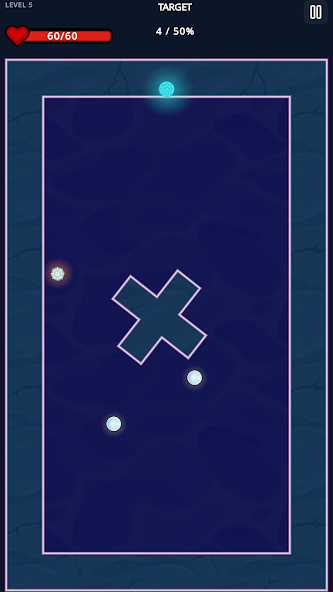
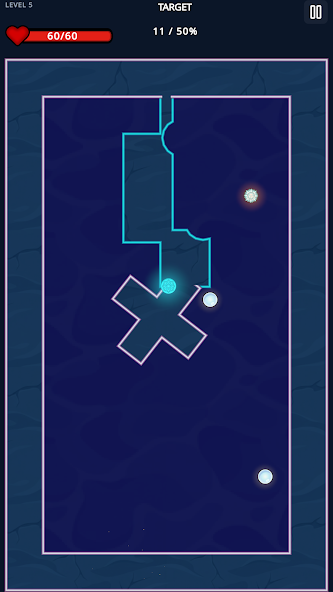
I shipped LandSlicer, a mobile territory strategy game, through Tricodelabs. I also used the product to test a practical question: can coding agents contribute to Unity work when they can see and check the result?
I gave agents enough context to enter the relevant game state, inspect their changes, and repair a small, well-defined problem before handing it back for review.
Giving agents visual feedback
Game work often fails in ways the compiler cannot see. An element may be clipped, a scene hierarchy may be wrong, or an interaction may work technically but remain unclear to the player.
I built custom MCP tooling that connects coding agents to Unity. An agent can make a narrow change, enter the relevant state, capture the result, and compare a screenshot with the specification before reporting completion. The repository makes scene ownership, instructions, and verification paths clear to both people and agents.
The useful unit of automation becomes a small, observable task rather than a piece of code in isolation. Human review still owns interaction quality, scope, and release decisions.
From gameplay to release
The wider workflow covers gameplay implementation, asset preparation, localisation, store delivery, and repetitive release work. I used multimodal tools for 2D and 3D asset exploration, audio, voice, and video. Anything selected for a build still had to pass product, technical, and rights review.
I turned repeated production tasks into explicit pipelines. This made inputs and failures easier to inspect, allowed expensive model calls to be routed and cached deliberately, and stopped experiments from becoming unowned dependencies.
Localisation from the start
LandSlicer is available in 16 languages. Localisation affected layout, asset handling, validation, and release operations from the start. Automating tagging and repetitive release work left more time for cases that still needed cultural and visual judgement.
Shipping is the real test
Store submission, authentication, purchases, advertising integration, and ongoing updates force experimental tooling to coexist with ordinary mobile engineering. A generated change is only useful when it can be reviewed, supported, and included in a release without creating hidden work later.
For this project, coding agents have been most useful when the task is small, the environment shows them what happened, and a person remains accountable for what ships.